
If you’re dealing with hair loss, you might be considering Finasteride as a potential solution. With its proven track record and extensive clinical support, Finasteride is one of the most trusted medications for male pattern baldness and androgenetic alopecia. However, many people have common questions about its effectiveness, usage, side effects, and overall safety. This article will address the most frequently asked questions (FAQs) about Finasteride, giving you the clarity you need to make an informed decision about your hair loss treatment.

1. What is Finasteride and How Does It Work?
Finasteride is a prescription medication commonly used to treat male pattern baldness. It works by inhibiting an enzyme called 5-alpha reductase, which is responsible for converting testosterone into dihydrotestosterone (DHT). DHT is the primary hormone that causes hair follicles to shrink and eventually stop producing hair. By reducing DHT levels in the scalp, Finasteride helps to slow hair loss, prevent further shedding, and even encourage hair regrowth.
2. How Effective is Finasteride in Treating Hair Loss?
Finasteride has been shown to be highly effective in both preventing hair loss and promoting hair regrowth. According to clinical studies, around 80% of men who take Finasteride see a reduction in hair shedding, and about 66% experience new hair growth, particularly in areas like the crown and hairline. While it may not reverse all hair loss, it can significantly improve hair density and thickness, making it a highly effective treatment option for many individuals.
3. How Should I Take Finasteride for Hair Loss?
Finasteride is taken as a daily oral pill, typically at a 1mg dose for the treatment of male pattern baldness. It is most effective when taken consistently every day, with or without food. It’s essential to follow your healthcare provider’s instructions regarding dosage and timing. Remember, results take time, and it’s important to stay patient as you continue your treatment.
4. What Are the Possible Side Effects of Finasteride?
Like any medication, Finasteride can cause side effects, though they are generally rare and reversible. Some potential side effects include:
- Reduced libido (sex drive)
- Erectile dysfunction (difficulty achieving or maintaining an erection)
- Decreased ejaculate volume
These side effects typically subside after discontinuing the medication, but it’s important to talk to your doctor if you experience any of these symptoms. Most men tolerate Finasteride well, and side effects are not common for most users.
5. Is Finasteride Safe for Everyone?
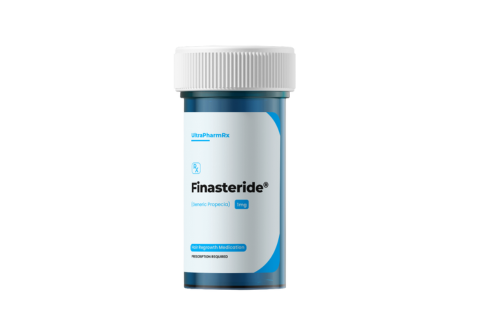
Finasteride is generally considered safe for most men, but it is not recommended for certain groups. It is important to consult your healthcare provider before starting Finasteride to ensure it’s the right treatment for you, especially if you have any underlying health conditions, such as liver issues.
Important Safety Notes:
- Finasteride is not recommended for women, particularly during pregnancy, as it can cause birth defects.
- If you have a history of liver problems or any other chronic conditions, make sure to discuss them with your healthcare provider before using Finasteride.
6. How Long Does It Take to See Results with Finasteride?
Finasteride doesn’t provide instant results. Typically, it takes about 3 to 6 months of consistent use before you start seeing visible improvements in hair thickness and density. Some users may experience shedding during the first few months as the hair follicles adjust, but this is temporary. Full results can often take up to 12 months, and continued use is required to maintain these results.
7. Can I Combine Finasteride with Other Hair Loss Treatments?
Yes, Finasteride can be combined with other hair loss treatments, such as Minoxidil, for enhanced results. While Finasteride targets the hormonal causes of hair loss by blocking DHT, Minoxidil works by stimulating hair follicles and improving blood flow to the scalp. Using both treatments together can provide a more comprehensive approach to tackling hair loss.
However, it’s important to discuss any combination of treatments with your healthcare provider to ensure they are safe and effective for you.8. What Happens If I Stop Taking Finasteride?
If you stop taking Finasteride, any new hair growth that you have experienced may gradually reverse. Your hair loss will likely return to its pre-treatment state within 12 months after discontinuation. It’s essential to continue Finasteride to maintain its effectiveness. If you are considering stopping the medication, speak with your healthcare provider to discuss alternatives or next steps.
9. Is Finasteride Safe to Use Long-Term?
Finasteride is generally safe for long-term use, as long as it is taken as directed by a healthcare provider. Most clinical studies have followed patients for up to 5 years, showing that the medication remains effective over time without significant safety concerns. However, regular check-ups with your healthcare provider are recommended to monitor your progress and address any potential issues.
10. Can I Get Finasteride Without a Prescription?
In most countries, Finasteride is available only with a prescription. This is because it is a medication that requires medical supervision to ensure its proper use and minimize potential risks. If you’re considering Finasteride for hair loss, it’s essential to consult with a healthcare provider to get a proper prescription.
11. How Much Does Finasteride Cost?
The cost of Finasteride varies depending on where you purchase it and whether you have insurance coverage. Typically, the generic version of Finasteride costs between $20 to $70 per month. Some insurance plans may cover the cost, but it’s important to check with your provider to determine your coverage. Online telehealth platforms often offer Finasteride at competitive prices with convenient home delivery.
12. Is Finasteride the Right Treatment for Me?
Finasteride is an excellent option for many men with male pattern baldness. However, it may not be suitable for everyone. If you are considering Finasteride, it’s essential to consult with your doctor to determine if it’s the right choice based on your hair loss condition, overall health, and other factors.
Important Factors to Consider:
- Age and the stage of hair loss
- Medical history and existing health conditions
- Preference for non-invasive treatments
Conclusion
Finasteride remains one of the most effective and trusted treatments for male pattern baldness. With its clinically proven ability to block DHT and promote hair regrowth, Finasteride has helped millions of men regain their confidence and restore their hair. While side effects are possible, they are rare and typically reversible. If you’re considering Finasteride, it’s important to consult with your healthcare provider to ensure that it’s the right treatment for your unique needs.
We hope this FAQ article has helped clear up any questions you may have about Finasteride. If you’re ready to begin your hair restoration journey, discuss it with your doctor and take the first step toward a fuller, healthier head of hair.
